Losing a limb changes daily life, and choosing a prosthesis can feel overwhelming. At P.O.R.C we take time to explain the options, build and fit the socket in our Safdarjung Enclave workshop, and stay with you through the adjustments that every new user needs.
Who we help
- Below-knee (transtibial) amputation: the most common level we fit
- Above-knee (transfemoral) and through-knee (knee disarticulation)
- Partial foot and Syme's level
- Upper-limb prosthetic consultation
- Bilateral users and people with heavier builds who need stronger components
- Existing users who want a new socket, a better liner or a second opinion
The parts of a prosthesis, in plain language
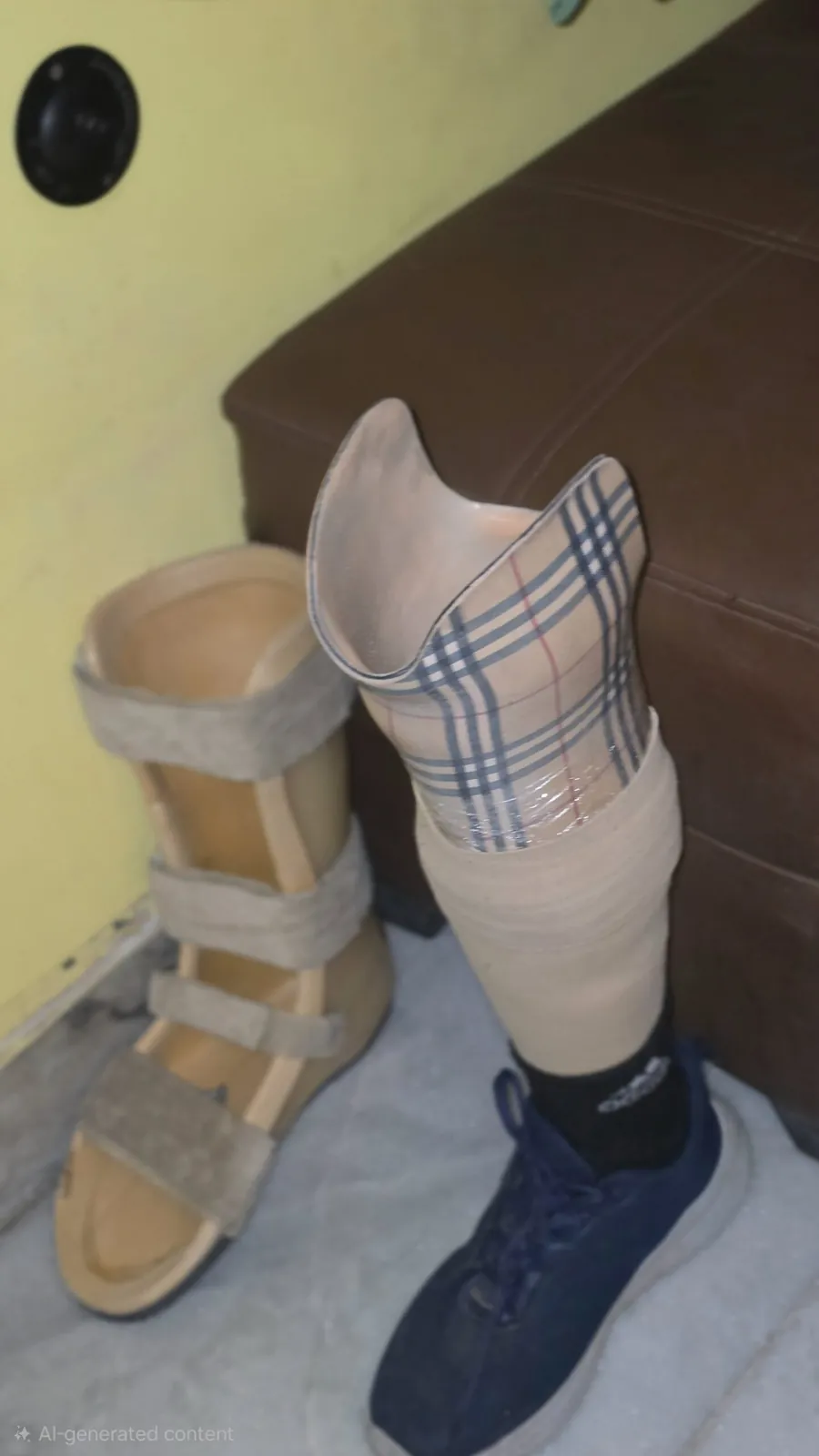
Socket. The custom shell your residual limb fits into. Comfort depends mostly on the socket, so we spend the most time here: casting or scanning, check sockets, and fine adjustments.
Liner. A silicone or gel sleeve worn on the limb for cushioning and grip, for example Össur Iceross liners. Liners come in different thicknesses and profiles.
Suspension. How the prosthesis stays on: pin-lock, seal-in (a membrane on the liner), sleeve suction, or elevated vacuum such as Össur Unity. Each has trade-offs in security, ease of donning and cost. Read our Össur Unity vacuum case note.
Foot. From basic SACH feet to dynamic carbon feet. The right foot depends on your weight, activity level and walking surfaces.
Knee (above-knee users). Mechanical, pneumatic, hydraulic or microprocessor knees. Options we discuss include designs from Össur and Ottobock (for example Navii, Icon, C-Leg 4, 3R46, Total Knee 2100), subject to clinical suitability and availability. See pneumatic vs hydraulic knees and our through-knee / above-knee consult.
Your prosthetic journey at P.O.R.C
- Assessment: limb shape, skin, strength, balance, goals and medical clearance. We coordinate with your surgeon or rehabilitation doctor.
- Stump preparation: shaping, compression and skin care. See post-amputation stump care.
- Measurement and casting: plaster or digital capture of the limb.
- Check socket and trial: a test socket to fine-tune fit before the final build.
- Final fitting and alignment: static and dynamic alignment while you walk.
- Gait training and follow-up: limb volume changes, especially in the first year, so regular reviews are part of the plan.
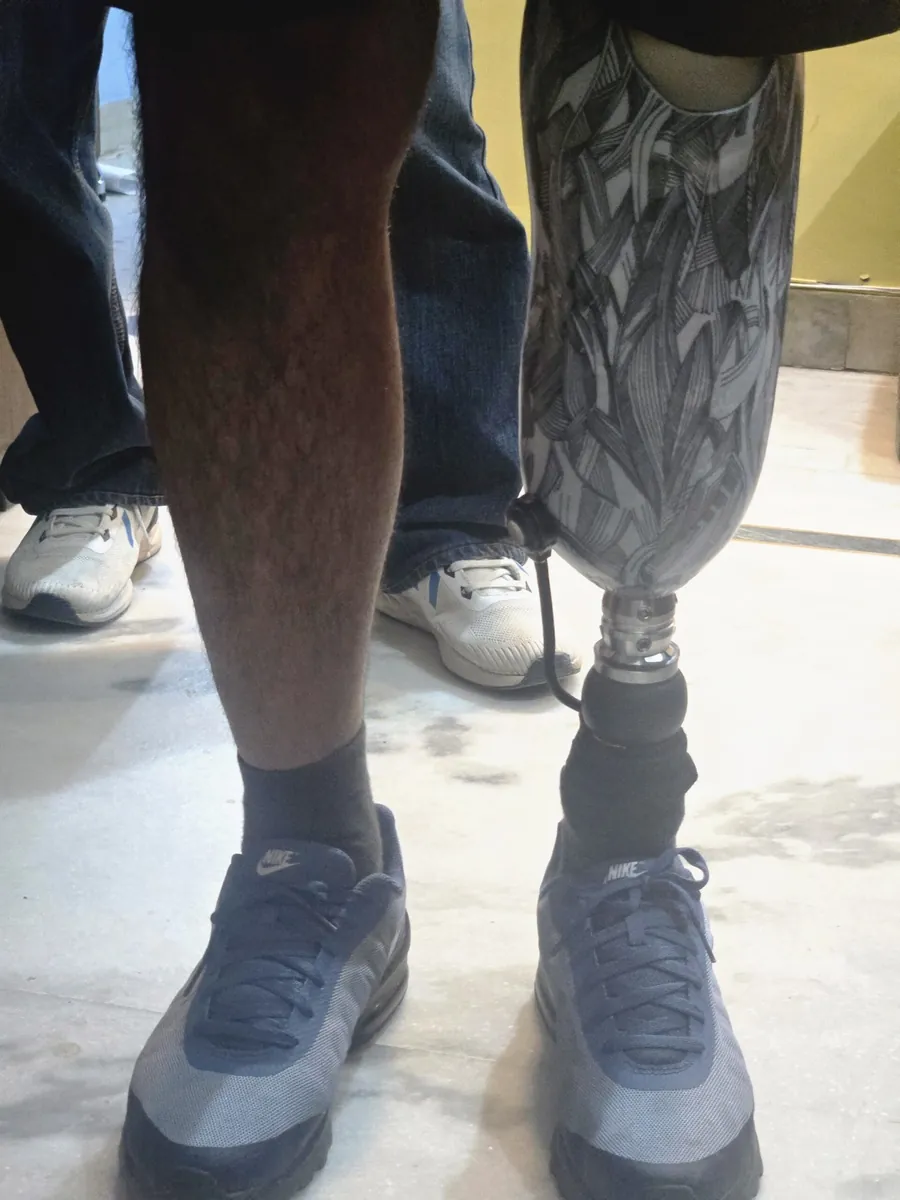
Why patients choose P.O.R.C
- Serving Delhi NCR since 1988, with an in-house workshop at Safdarjung Enclave
- Multi-brand guidance across Össur, Ottobock and ALIMCO, so we recommend what suits you
- Clear explanations for patients and families; prices discussed openly in person after assessment
- Consult access at Apollo Hospital Sarita Vihar and BLK-Max, Pusa Road
Realistic expectations
A prosthesis is a tool that, with training and practice, can help many people return to walking, work and family life. Results vary with amputation level, health, strength and practice. We will be honest about what a component can and cannot do.
Related reading
- Choosing the right below-knee prosthesis in Delhi NCR
- Walking without the sleeve: Össur Unity vacuum
- Stump care and prosthesis options
Book a prosthetic assessment: call 9810006111 or WhatsApp 9811706111.