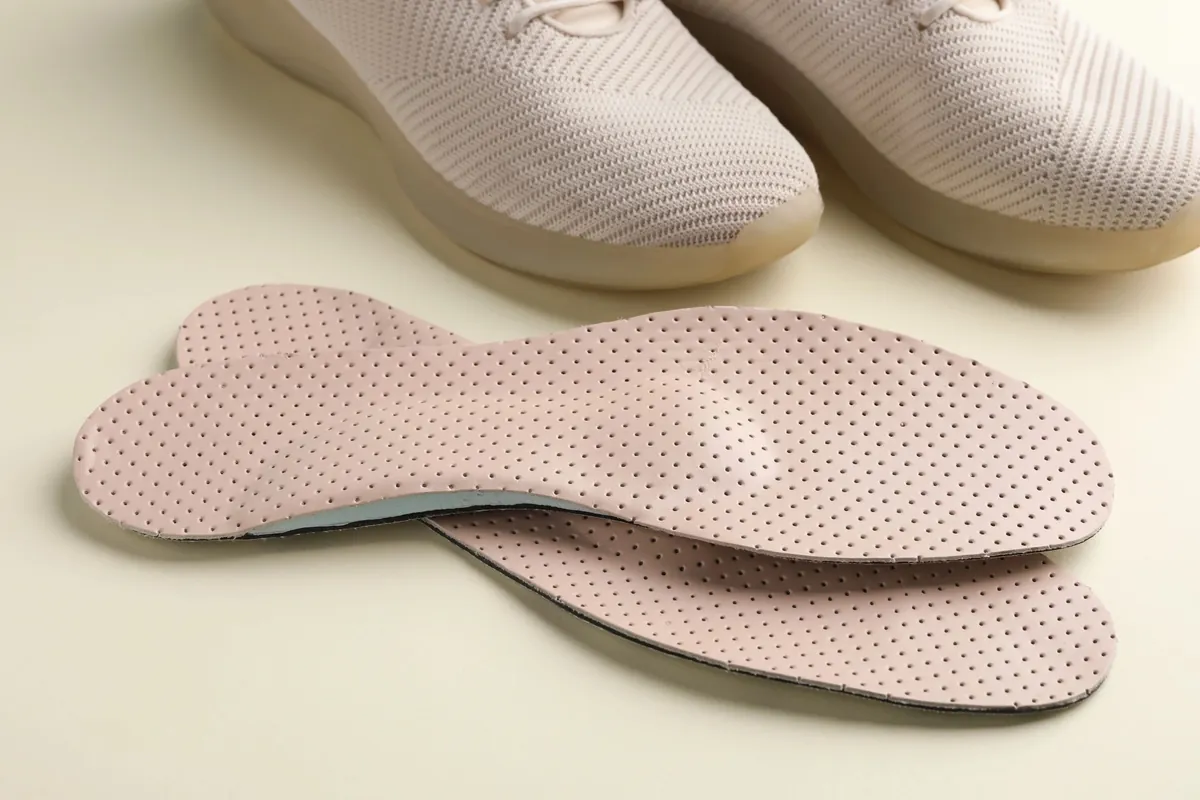
As we get older, our feet change. The fat pads under the heel and the ball of the foot thin out, joints stiffen, skin becomes more fragile, and balance can become less certain. Many senior citizens in Delhi NCR tell us their feet ache on morning walks in the park, that they feel unsteady on uneven pavements, or that their old shoes no longer feel comfortable.
Custom insoles can be one part of keeping older adults comfortable and confident on their feet. This article explains how, and why they should sit alongside a wider plan for balance and fall prevention.
How feet change with age
- Thinning fat pads: less natural cushioning under the heel and forefoot, so hard floors feel harder.
- Changing foot shape: arches may flatten, and bunions or clawed toes may develop, making shoes tight.
- Stiffer joints: arthritis in the ankle, foot or big toe can make walking painful.
- Reduced sensation: diabetes, circulation problems or nerve changes can reduce the feeling in the feet.
- Balance and strength: leg muscle strength and reaction time tend to reduce.
Falls are not just a foot problem
Falls in older adults usually have more than one cause: medicines that cause dizziness, eyesight, blood pressure changes, muscle weakness, poor lighting, loose rugs, slippery bathroom floors and unsuitable footwear. If you or a family member has fallen, or feels unsteady, please speak to a doctor. A physiotherapist can advise on strength and balance exercises, which are among the most effective ways to reduce falls.
Insoles can support comfort and how the foot contacts the ground. They do not prevent falls on their own, and they do not replace medical assessment.
Where custom insoles may help seniors
- Cushioning thinning fat pads under the heel and ball of the foot
- Spreading pressure away from painful spots, corns or arthritic joints
- Supporting a flattening arch so the foot feels more stable
- Improving the contact surface, which some people find helps them feel more secure when standing
- Accommodating bunions or toe deformities alongside suitable footwear
How we assess older adults at P.O.R.C
At our Safdarjung Enclave clinic, we take time and keep things simple:
- History: pain, falls, medical conditions (especially diabetes and circulation), medicines, and daily activity.
- Foot and skin check: pressure areas, corns, calluses and skin condition.
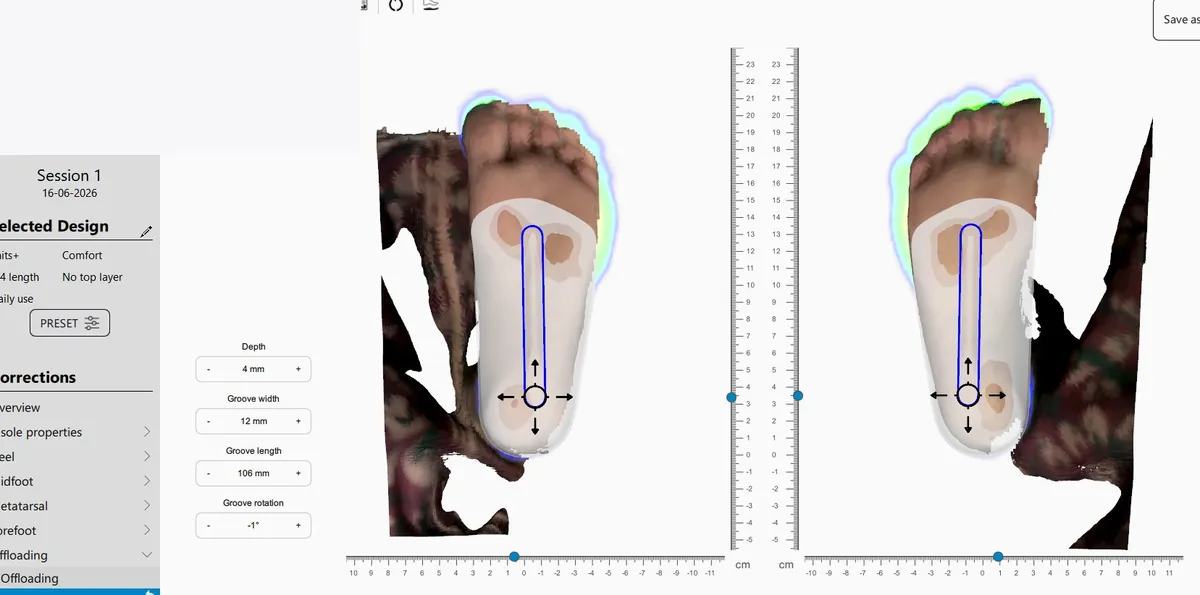
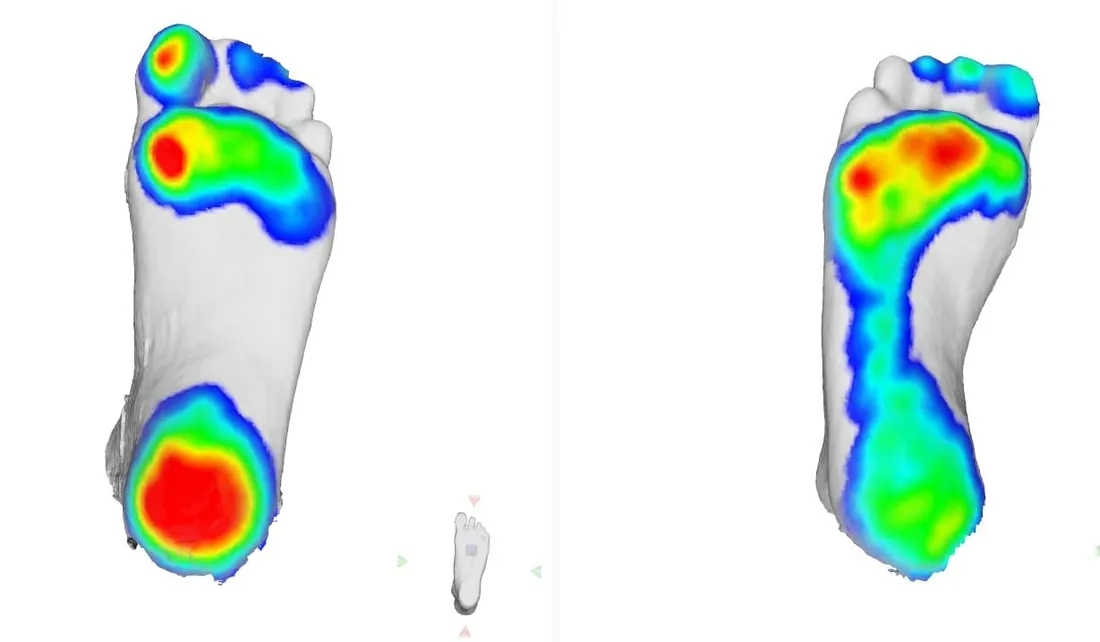
- Footscan: you stand, then walk slowly across a Materialise Footscan plate, holding a support if needed. It shows where pressure is concentrated. A foot scan is not a diagnosis; it helps plan the insole.
- Shoe check: we look at the shoes you wear most, including walking shoes and home footwear.
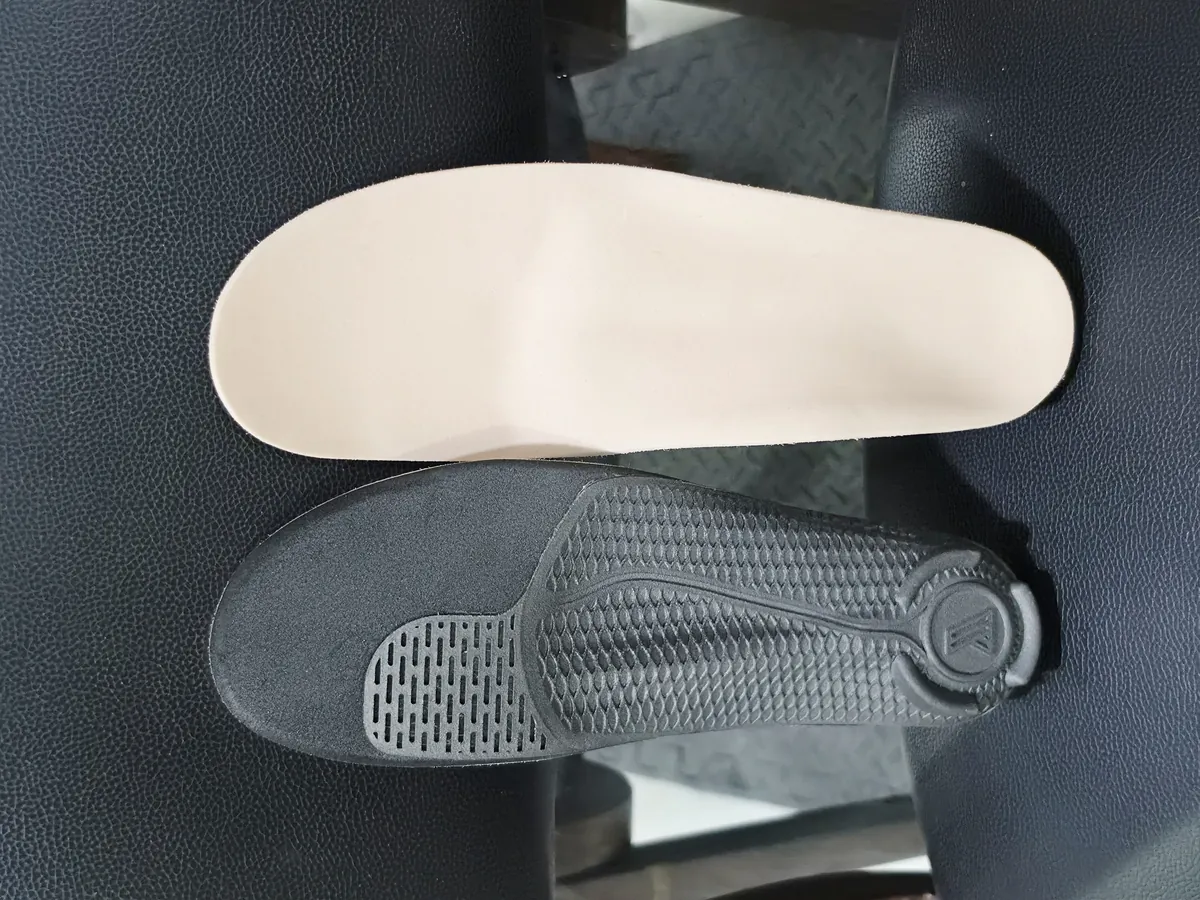
Where suitable, we design PHITS 3D-printed insoles with a soft, pressure-holding top cover (PU "memory foam" holds thickness better than soft foams that pack down). Support is kept gentle; a stiff, high arch can be uncomfortable for an older foot.
Footwear matters as much as the insole
- Choose closed shoes with a firm heel counter and secure fastening (Velcro is easy for stiff hands).
- Look for a non-slip sole with a low, broad heel.
- Make sure there is enough depth and width for the foot and the insole.
- Avoid walking indoors in socks only, or in loose, backless slippers.
- Check the feet daily, especially if you have diabetes or reduced sensation.
Family members can help
Many of our older patients come with a son, daughter or carer. Bring the shoes, a list of medicines and any doctor's reports. We will explain the options clearly, and review comfort after a few weeks. If a senior family member has diabetes, see also custom insoles for diabetic feet and our diabetic foot care page.
Book an assessment in Delhi NCR
Footscan and PHITS custom insoles are made from our Safdarjung Enclave clinic. You can also start with a consultation at our hospital desks; please call to confirm timings.
- P.O.R.C Safdarjung Enclave: 42 Ground Floor, Street No. 1, Opp. Baba Balak Nath Mandir, Krishna Nagar, New Delhi 110029 (Monday to Saturday, 10am to 7pm)
- P.O.R.C at Apollo Hospital, Sarita Vihar
- P.O.R.C at BLK-Max Super Speciality Hospital, Pusa Road
Call 9810006111 or WhatsApp 9811706111. Serving patients in Delhi NCR since 1988.