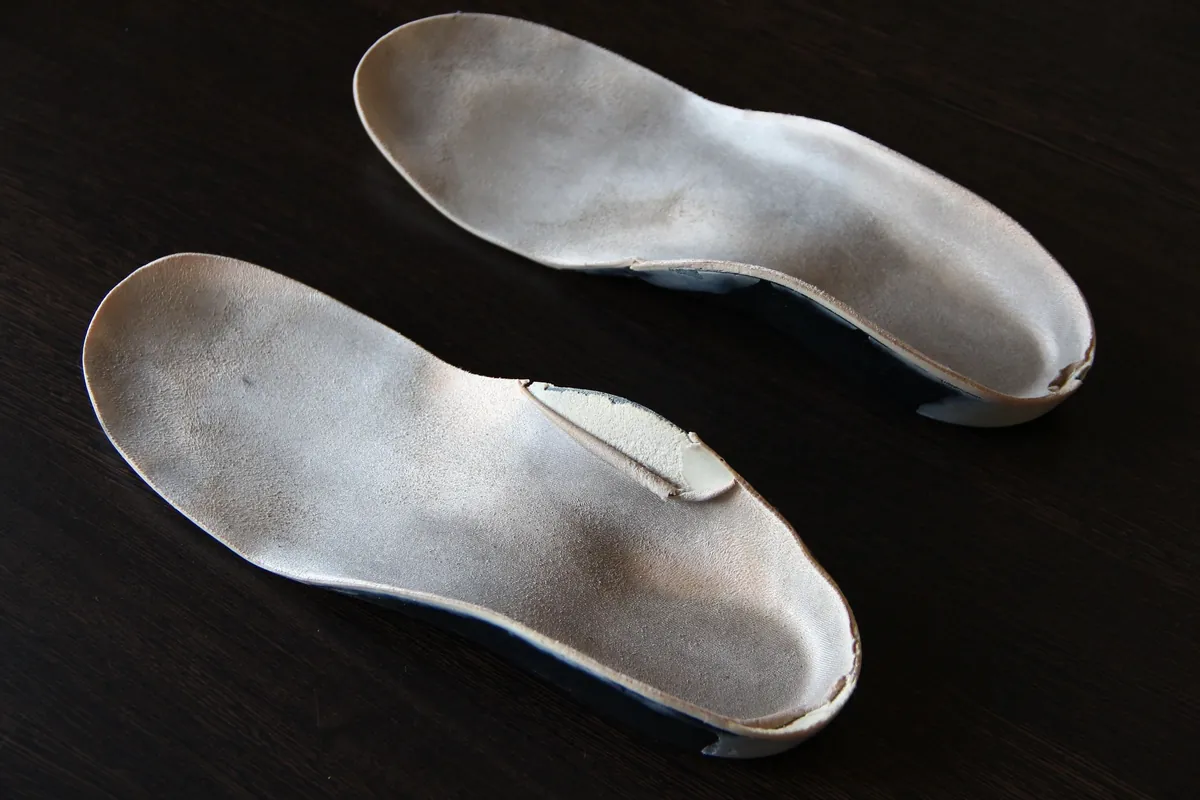
Nurses finishing a twelve-hour shift at a South Delhi hospital, sales staff on the shop floor in a Gurugram mall, chefs, security guards, teachers, pharmacists and factory workers in Okhla or Manesar all share one problem: hours of standing on hard floors. By evening, many feel aching arches, burning soles, sore heels or heavy, tired legs. Some also notice knee or lower-back discomfort that eases on days off.
This article explains why prolonged standing is hard on the feet, what you can change today, and where custom insoles in Delhi NCR may fit in. It is general information, not a diagnosis.
Why standing is harder than walking
When you walk, muscles in the calf and foot contract and relax, helping blood return to the heart and sharing load across different parts of the foot. When you stand still, the same areas of the heel and forefoot stay loaded for long periods. The arch may slowly flatten as muscles tire. Hard floors such as concrete, tiles and marble give little cushioning, and many work shoes are chosen for appearance or safety rules rather than support.
Common complaints we hear from people with standing jobs include:
- Heel pain, especially first thing in the morning or after a break (sometimes plantar fasciitis)
- Burning or aching under the ball of the foot
- Arch fatigue and a feeling that the feet "spread" through the day
- Swelling around the ankles by evening
- Knee, hip or lower-back discomfort after long shifts
These symptoms have many possible causes. Persistent pain, numbness, swelling on one side only, or pain after an injury should be checked by a doctor first.
Simple changes that help
Before thinking about insoles, look at the basics:
- Shoes that fit your foot, not just your uniform. A firm heel counter, enough toe-box width and depth, and a removable insole so a supportive one can be fitted.
- Replace worn shoes. Midsoles compress. If your shoes lean when placed on a table, they are no longer supporting you.
- Move when you can. Shift weight, walk a few steps, rise onto your toes and back during breaks to activate the calf.
- Anti-fatigue mats where your workplace allows, especially at counters and workstations.
- Stretch the calves and the sole of the foot before and after shifts.
- Compression socks may help some people with evening swelling; ask your doctor if they suit you.
Where custom insoles fit
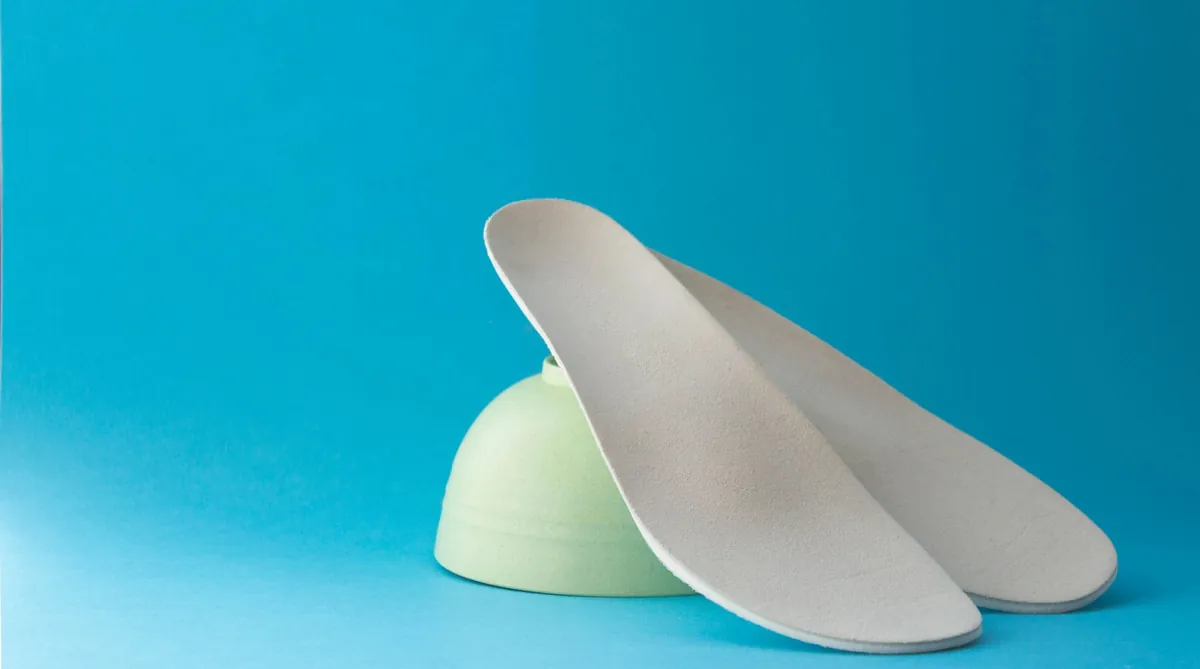
A generic cushion insole from a shop can feel nice for a week but often packs down and does not address how your particular foot loads. A custom insole is designed around your foot shape, your pressure pattern and the shoe you actually wear at work.
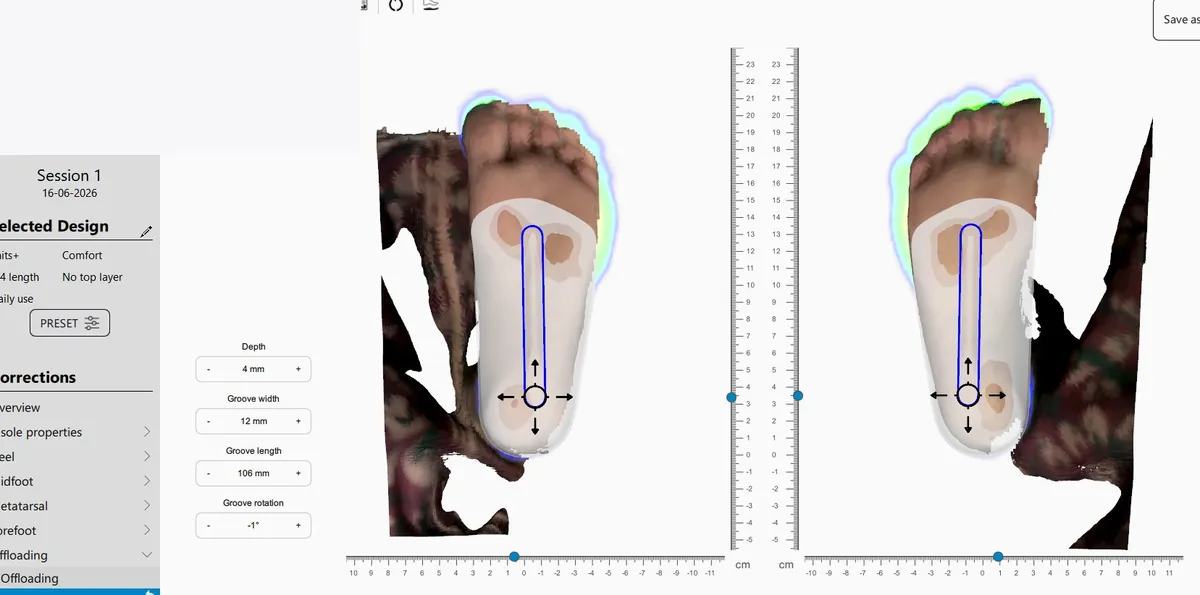
At P.O.R.C Safdarjung Enclave we use a Materialise Footscan pressure plate. You stand and walk across it, and the system records where pressure is highest and how your foot rolls from heel to toe. A scan is not a diagnosis; the clinician combines it with an examination of your feet, your history and your job demands.
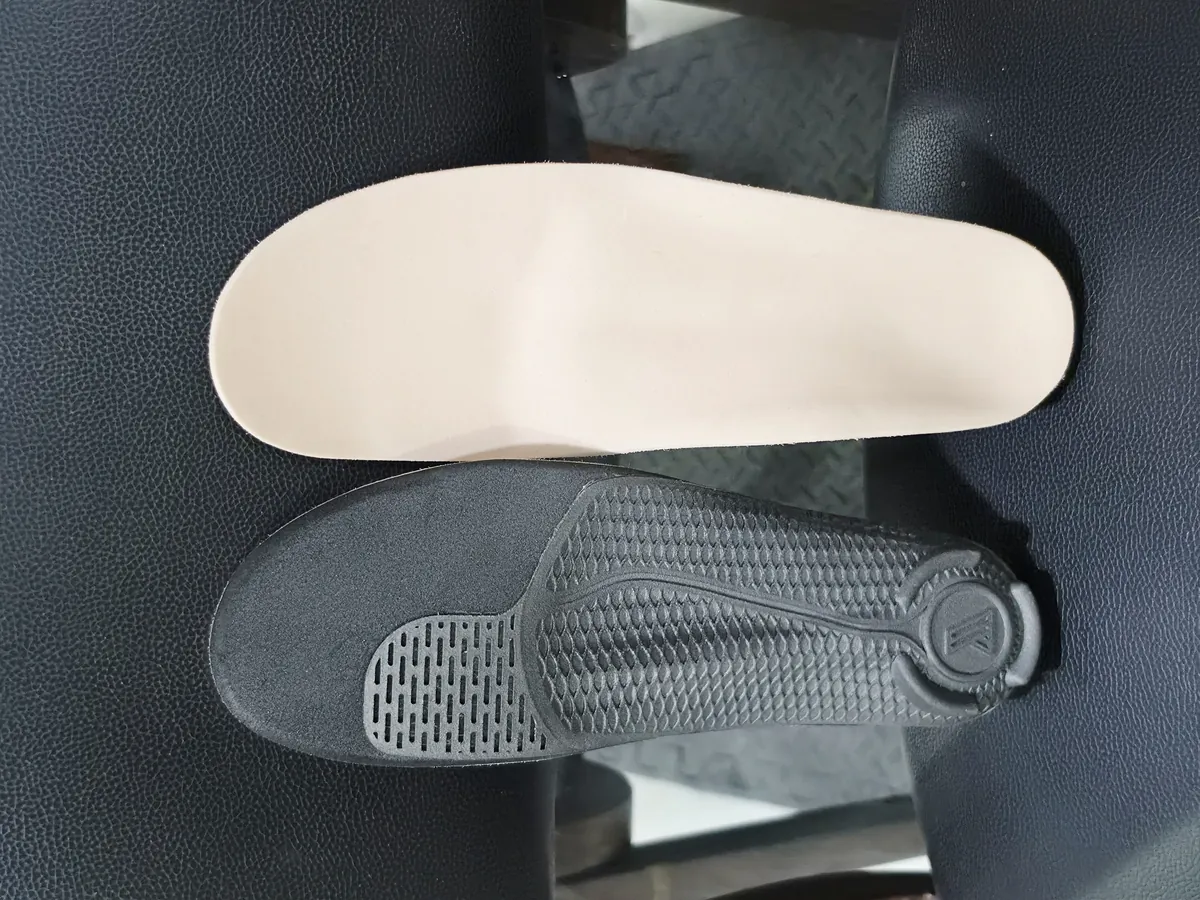
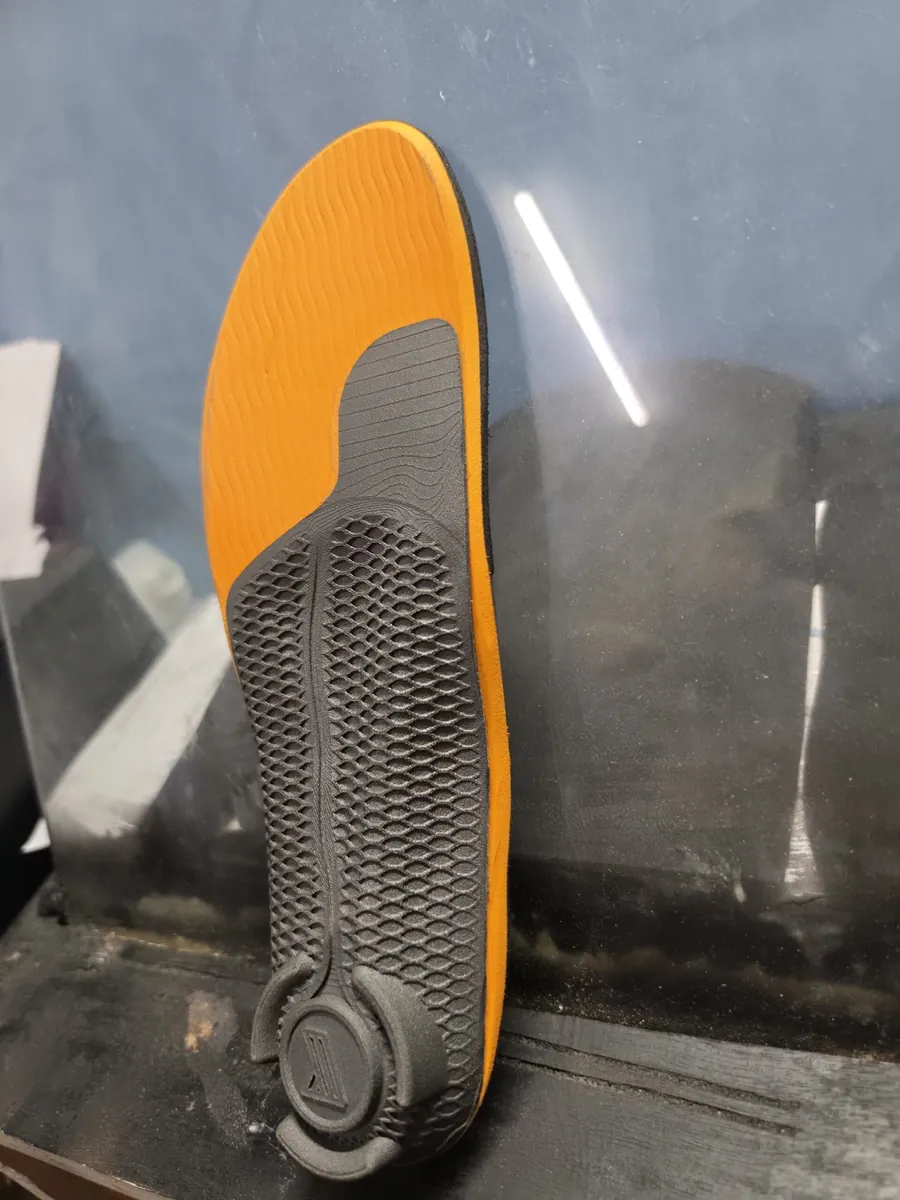
From that data we can design PHITS 3D-printed insoles: a light nylon base printed with different stiffness zones, finished with an EVA or PU top cover. For standing jobs, the design often focuses on:
- Spreading load more evenly across the heel, arch and forefoot
- Arch support that matches your foot's flexibility, not a hard lump
- Cushioned top covers that hold their thickness over a long shift
- Safety-shoe versions with an anti-static cover where required
- Thin or "slim" versions for tight uniform or dress shoes
What to expect
Most people need a short running-in period, wearing the insoles for a few hours a day at first. We check fit in your work shoes and review how you feel after a few weeks. Insoles support comfort and loading; they do not cure conditions such as plantar fasciitis or arthritis, and they work best alongside good footwear, stretching and any treatment your doctor or physiotherapist recommends.
Top covers wear first and can be replaced. Review your insoles roughly every 12 to 18 months, or sooner if pain returns.
Bring your work shoes
The most useful thing you can bring to a Footscan appointment is the pair of shoes you stand in all day, including safety boots, clogs or uniform shoes. That lets us design an insole that actually fits where you need it. Read more about PHITS vs TPU, PVC and EVA insoles or heel pain and Achilles irritation.
Book an assessment in Delhi NCR
Footscan and PHITS custom insoles are made from our Safdarjung Enclave clinic. You can also start with a consultation at our hospital desks; please call to confirm timings.
- P.O.R.C Safdarjung Enclave: 42 Ground Floor, Street No. 1, Opp. Baba Balak Nath Mandir, Krishna Nagar, New Delhi 110029 (Monday to Saturday, 10am to 7pm)
- P.O.R.C at Apollo Hospital, Sarita Vihar
- P.O.R.C at BLK-Max Super Speciality Hospital, Pusa Road
Call 9810006111 or WhatsApp 9811706111. Serving patients in Delhi NCR since 1988.