Parents in Delhi NCR often ask us whether their child's flat-looking feet, in-toeing, frequent tripping or "walking on the sides of the feet" means they need insoles. The honest answer is: sometimes, but far less often than many people think. Children's feet change a great deal as they grow, and most need good shoes and time rather than orthotics.
This guide explains what is normal, what deserves a closer look, and when custom insoles may be considered. It is general information; your child's paediatrician or paediatric orthopaedic doctor should guide any treatment.
Growing feet are meant to look different
- Flat feet in toddlers are normal. Babies and young children have a fat pad under the arch and flexible ligaments. The arch usually develops gradually through early childhood, often up to around 6 to 8 years of age or later.
- Flexible flat feet (an arch that appears when the child stands on tiptoe or sits) are common and are frequently painless.
- In-toeing and out-toeing are common in younger children and often improve as the hips and legs rotate with growth.
- Clumsiness can be part of normal development, but persistent or worsening tripping should be discussed with a doctor.
Signs that need medical review first
Please see your child's doctor, rather than starting with insoles, if you notice:
- Pain in the feet, legs or knees that limits play or wakes the child at night
- A stiff, rigid flat foot (no arch even on tiptoe)
- One foot or leg that looks very different from the other
- Limping, frequent falls or walking on tiptoes most of the time after about age three
- Changes in walking after an illness or injury
- Numbness, weakness, or a known neurological or muscular condition
These signs can have causes that need proper diagnosis. Insoles do not treat those causes.
When custom insoles may help
After a medical review, custom insoles may be considered for children who:
- Have flexible flat feet with symptoms such as aching feet or legs after activity, or rapid tiring
- Show marked heel roll-in that is affecting their shoes or comfort
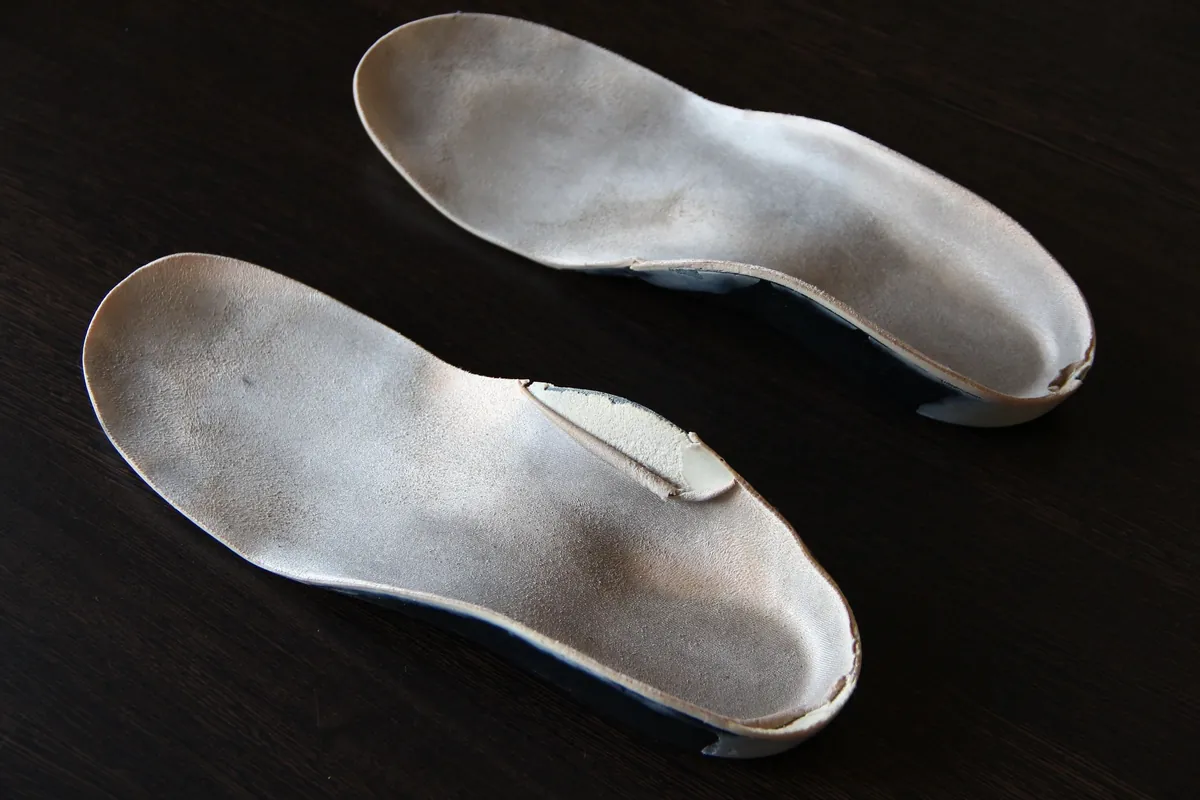
- Have been advised supportive orthoses by their doctor or physiotherapist as part of a wider plan
- Play a lot of sport and have recurring foot or heel discomfort
For children without symptoms, supportive well-fitting shoes, barefoot play on safe surfaces and regular review are often enough.
How we assess children at P.O.R.C
At our Safdarjung Enclave clinic, a child's assessment is gentle and done with a parent present:
- History: what you have noticed, pain, activity, any doctor's reports.
- Observation: standing, walking, tiptoe and heel standing, and how flexible the arch is.
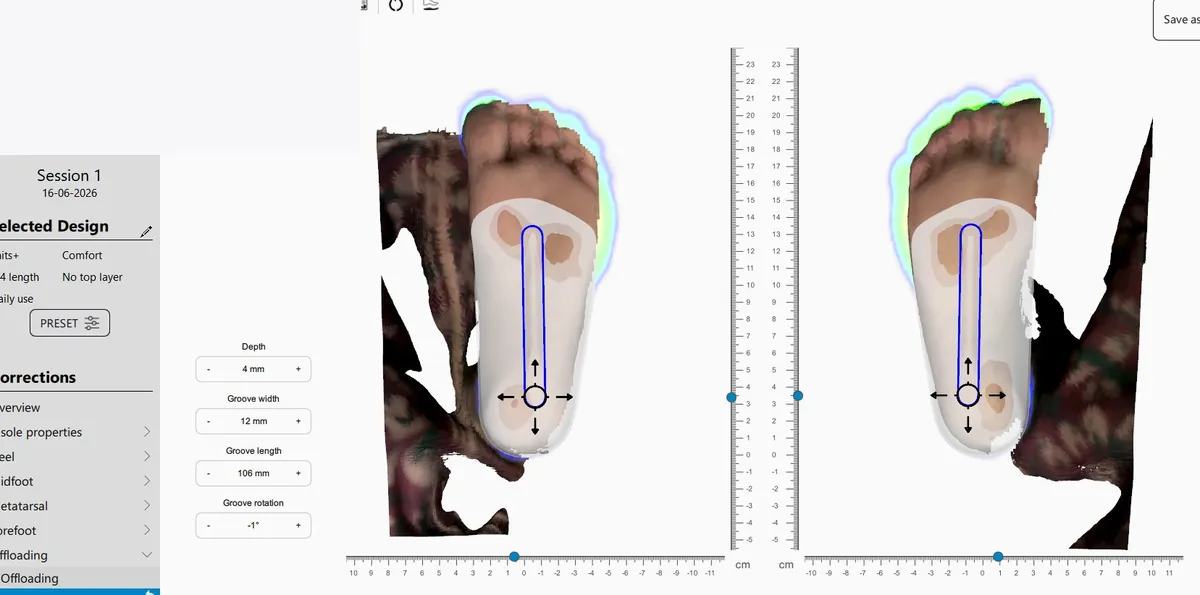
- Footscan (where useful): the child stands and walks on a Materialise Footscan pressure plate. It is painless and quick, and shows how pressure moves under the feet. The scan is not a diagnosis; it is one piece of information alongside the examination.
- Shoe check: many problems improve with a better-fitting shoe.
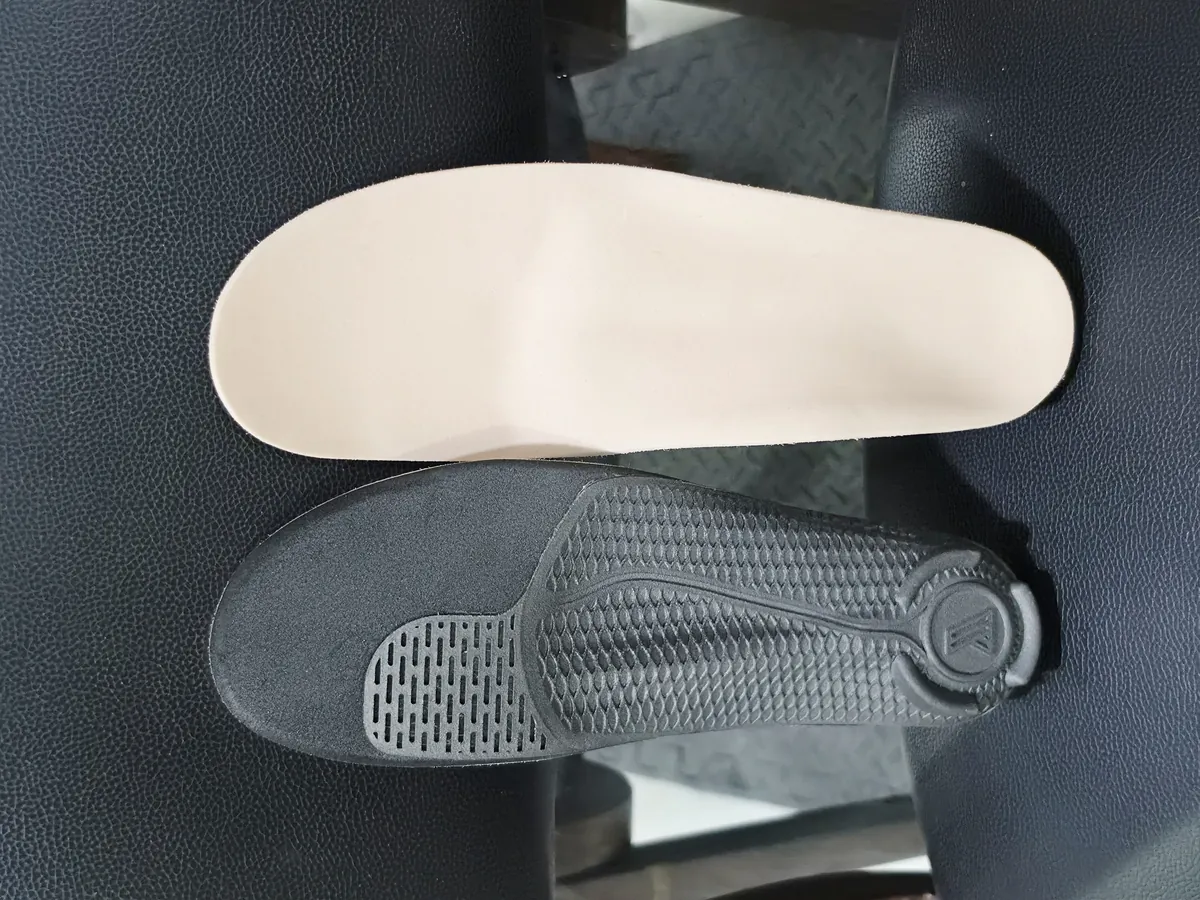
If insoles are appropriate, a PHITS 3D-printed design can be light and thin enough for school shoes and sports shoes. Support is kept modest; children's feet should still be allowed to move and strengthen.
Growth means regular review
Children outgrow insoles as they outgrow shoes. We usually suggest checking fit every 6 to 12 months, or whenever shoe size changes. Insoles are a support, not a cure, and they work best combined with activity, strengthening play and the advice of your child's doctor or physiotherapist.
Footwear tips for parents
- Measure both feet when buying shoes; buy for the larger foot.
- Leave about a thumb's width of space beyond the longest toe.
- Choose a firm heel counter and a sole that bends at the toes, not in the middle.
- Avoid hand-me-down shoes that have moulded to another child's foot.
- Velcro or laces hold the foot better than slip-ons.
Related reading: flat feet and fallen arches · runners and sports injuries.
Book an assessment in Delhi NCR
Footscan and PHITS custom insoles are made from our Safdarjung Enclave clinic. You can also start with a consultation at our hospital desks; please call to confirm timings.
- P.O.R.C Safdarjung Enclave: 42 Ground Floor, Street No. 1, Opp. Baba Balak Nath Mandir, Krishna Nagar, New Delhi 110029 (Monday to Saturday, 10am to 7pm)
- P.O.R.C at Apollo Hospital, Sarita Vihar
- P.O.R.C at BLK-Max Super Speciality Hospital, Pusa Road
Call 9810006111 or WhatsApp 9811706111. Serving patients in Delhi NCR since 1988.