Delhi NCR's running community has grown enormously, from early-morning groups at Lodhi Garden and Nehru Park to half-marathon training around Gurugram and Noida. Add cricket, football, badminton and gym training, and many active people will at some point deal with shin pain, heel pain, knee pain or recurring blisters and calluses.
Custom insoles are often discussed for runners and athletes. They can be useful for some people, but they are one tool among many. This article explains what a sports-focused assessment covers and where running insoles in Delhi NCR may help.
Common running and sports complaints
- Plantar heel pain (often plantar fasciitis)
- Achilles tendon pain
- Shin pain (medial tibial stress syndrome, sometimes called shin splints)
- Front-of-knee pain (patellofemoral pain)
- Outer knee or hip pain (iliotibial band irritation)
- Forefoot pain, metatarsalgia and pressure calluses
- Recurrent ankle sprains
Most running injuries relate to training load: doing too much, too soon, on too little recovery. Foot mechanics, footwear, strength and running technique can also play a part.
When to stop and see a doctor
- Pain that gets worse as you run, or is present at rest or at night
- Pain on a small, specific spot on a bone (possible stress fracture)
- Swelling, or an injury with a pop, giving way or inability to bear weight
- Numbness or tingling
What a sports Footscan looks at
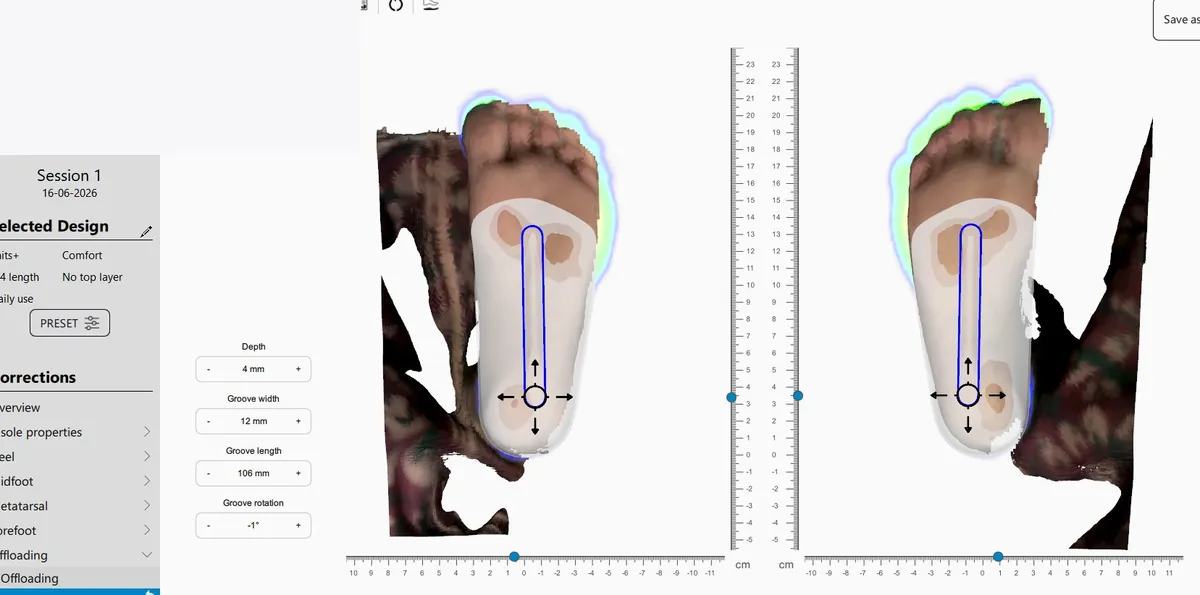
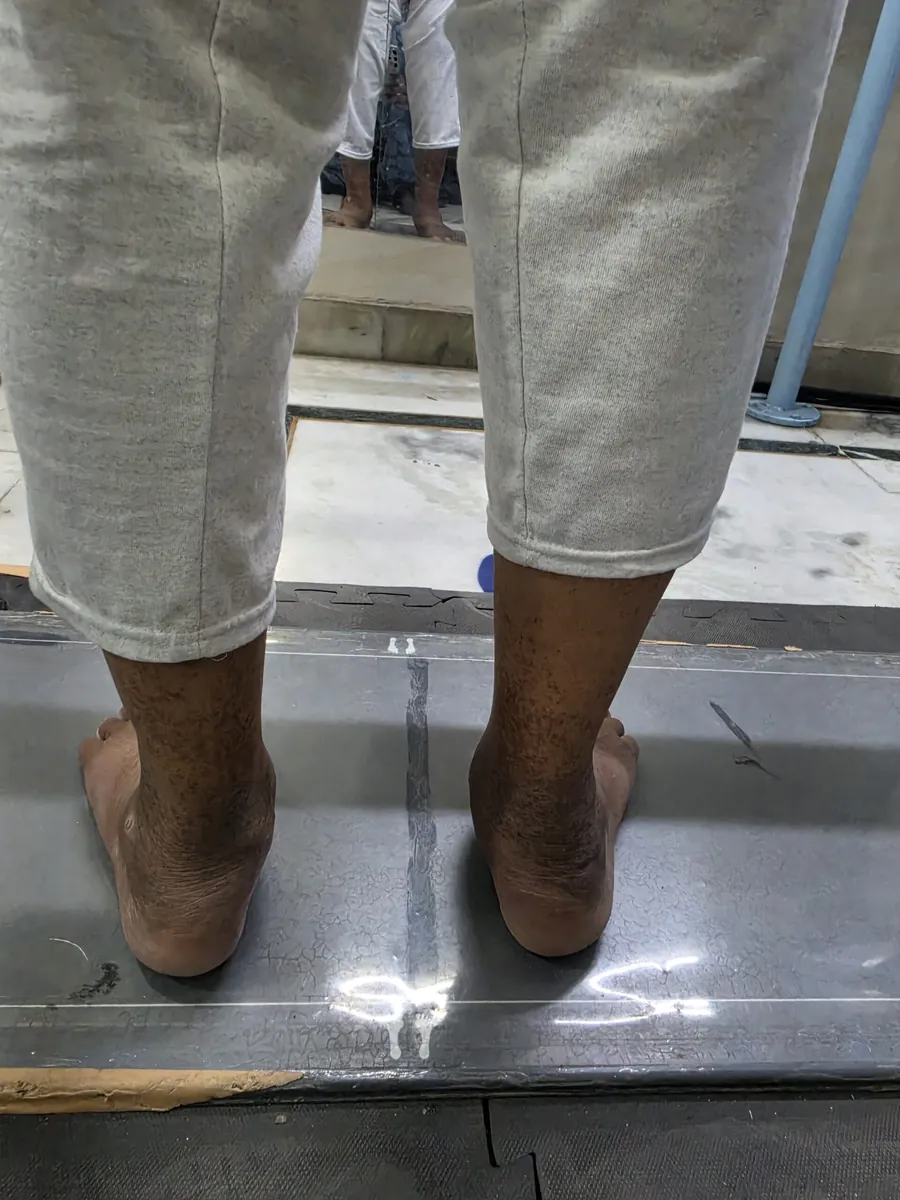
At P.O.R.C Safdarjung Enclave we use a Materialise Footscan system:
- History: your sport, weekly volume, recent changes, past injuries and shoes.
- Walking scan: the baseline, even for runners, showing how pressure moves from heel to toe.
- Running scan: jogging across the plate at a comfortable pace to see how your foot lands and pushes off at speed.
- Clinical checks: foot flexibility, calf tightness, single-leg balance and squat control.
- Shoe review: fit, wear pattern and whether the shoe suits the insole.
A foot scan is not a diagnosis. It shows loading patterns; the clinician interprets them with the examination.
How sports insoles differ
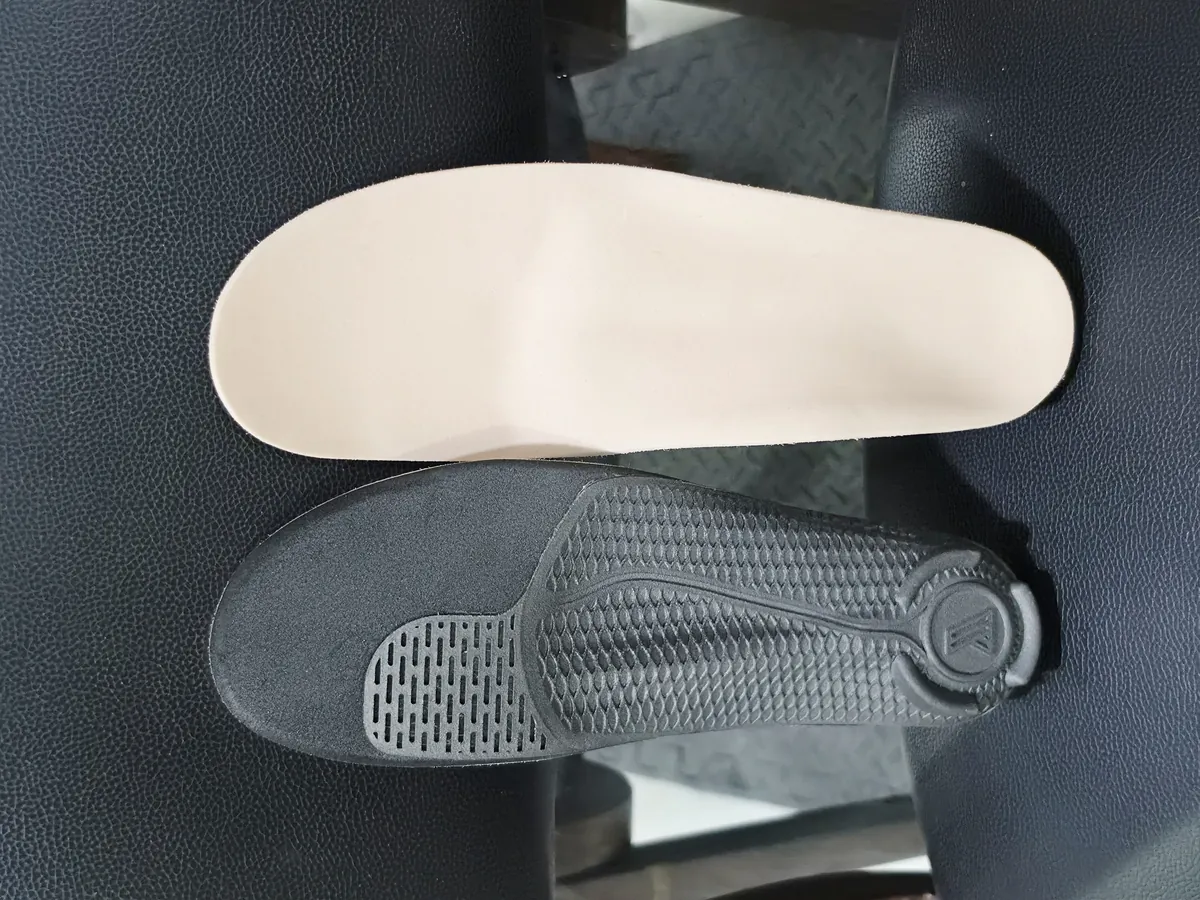
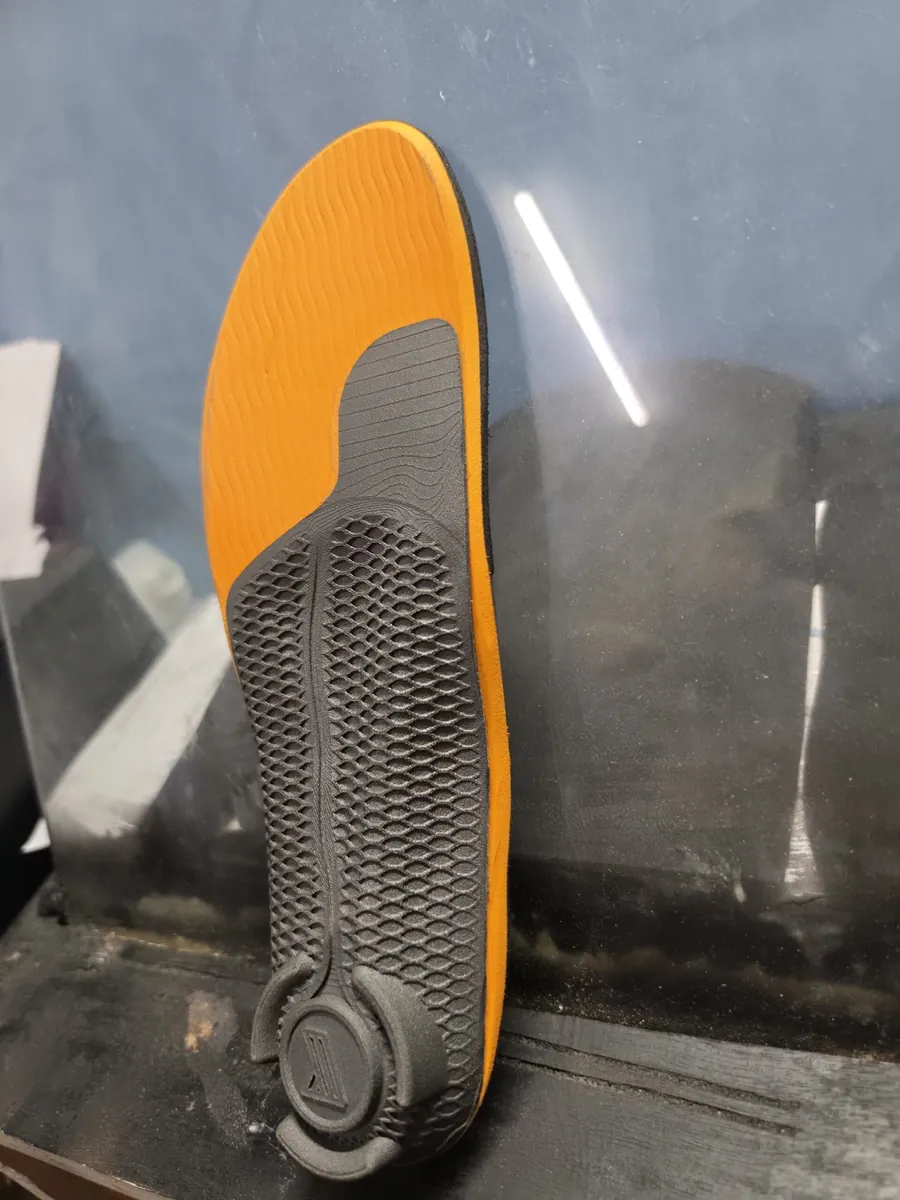
PHITS 3D-printed insoles are designed from the scan and printed as a thin, light nylon base. For sport, the design depends on the activity and the shoe:
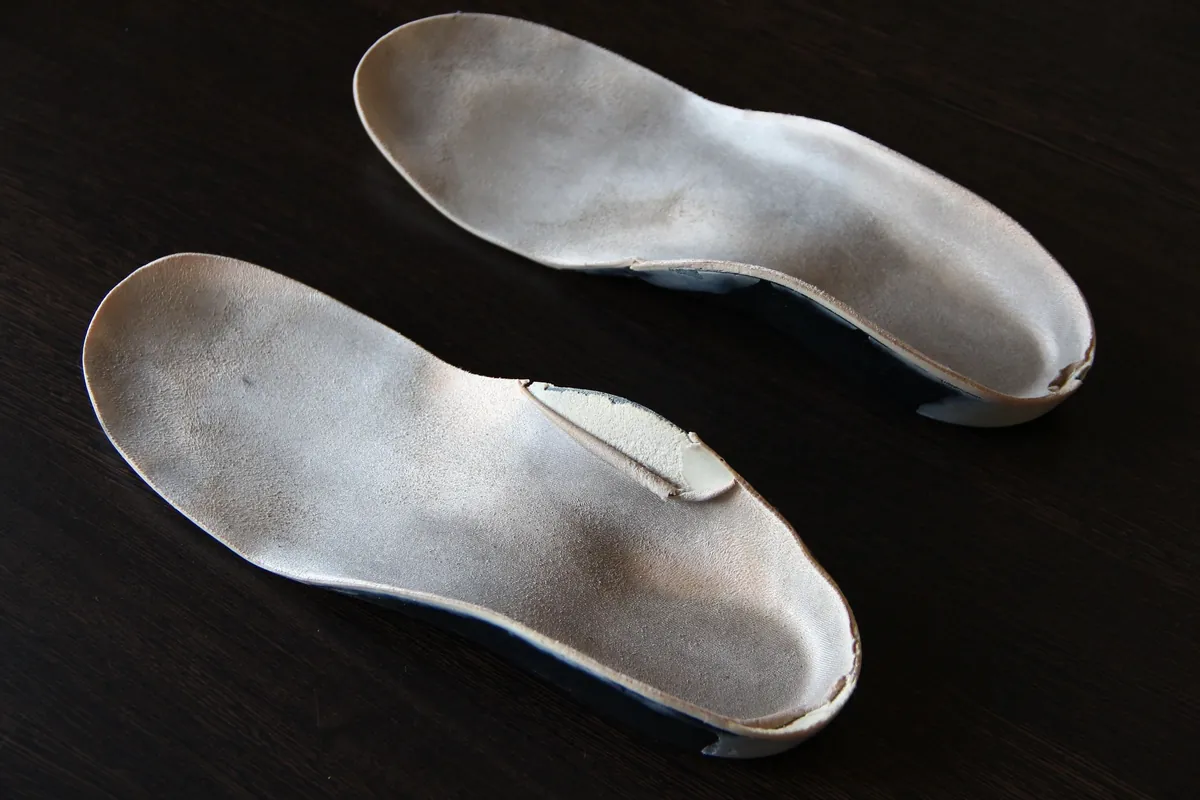
- Running: often a 6 mm cushioning cover (EVA hardness chosen by body weight, or a PU cover for more cushion in less space).
- Football, spikes and cricket shoes: a narrow base to fit tighter boots.
- Cycling: a rigid, full-length base with a thin cover for stiff cycling shoes.
- Court and gym shoes: comfort shapes with modest support.
Common features include arch support tuned to how quickly your foot pronates, heel cushioning, metatarsal support for forefoot pressure, and directional stiffness that guides roll-off. Because the base is printed, stiffness can be different in different zones. Read more about PHITS modifications by foot problem.
Insoles are one part of injury management
Insoles do not cure running injuries. A sensible plan usually also includes:
- Adjusting training load: reduce volume or intensity, then build back gradually.
- Strength work for calves, hips and core.
- Appropriate shoes, replaced before they are worn out.
- Recovery: sleep, nutrition and rest days.
- Physiotherapy for technique and rehabilitation.
Getting used to sports insoles
Start with walking and short easy runs, then build up over one to two weeks. Take the shoe's original insole out and put the custom insole in its place. Tell us if anything rubs or feels high; small adjustments are normal.
Bring your running or sports shoes, and your everyday shoes if you want a second pair. Related reading: heel pain and Achilles · flat feet · high arches.
Book an assessment in Delhi NCR
Footscan and PHITS custom insoles are made from our Safdarjung Enclave clinic. You can also start with a consultation at our hospital desks; please call to confirm timings.
- P.O.R.C Safdarjung Enclave: 42 Ground Floor, Street No. 1, Opp. Baba Balak Nath Mandir, Krishna Nagar, New Delhi 110029 (Monday to Saturday, 10am to 7pm)
- P.O.R.C at Apollo Hospital, Sarita Vihar
- P.O.R.C at BLK-Max Super Speciality Hospital, Pusa Road
Call 9810006111 or WhatsApp 9811706111. Serving patients in Delhi NCR since 1988.